
Business · AI Routing
Every request, automatically
routed to the right model
Automatically route each request to the right model
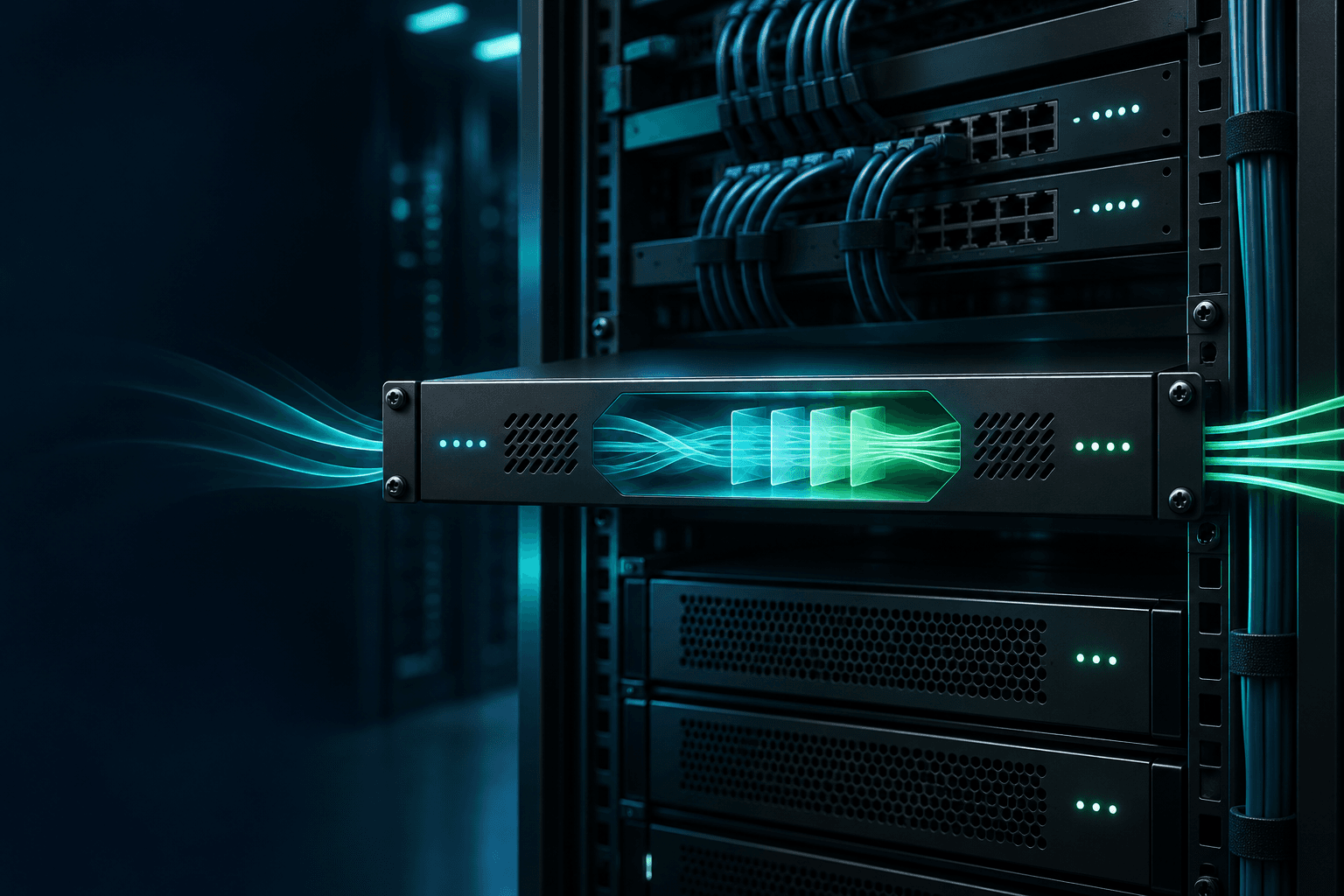
Instead of sending every request to the same model, we assess each request's sensitivity, cost and purpose and route it automatically to the best model, from local (T0) to frontier (T3).
If the selected model fails, the request falls back to the next candidate, and the reason and cost of each call are recorded, so you can see which request went to which model and why.

- Assesses each request's sensitivity, cost and purpose and routes it automatically from local (T0) to frontier (T3).
- Sends highly sensitive or low-cost work to local models and difficult work to frontier models.
- Falls back to the next candidate if the selected model fails, so requests are not interrupted.
- Brings multiple providers into one routing layer, reducing dependence on any single provider.
- Records the reason and cost of each call, showing which request went to which model and why.
Not every request belongs on the same model.
Every task needs a different balance of quality and cost. Using one model for everything either wastes money or lets quality slip.
One-size-fits-all waste
Sending every request to the same expensive model makes costs balloon.
Over- and under-powered models
Frontier models on easy tasks and low-spec models on hard ones cause waste and lower quality.
Single-model outages
Relying on one model or provider means a complete stop when it goes down.
No record of why
Without a record of why a model was used, both optimization and audit become difficult.
Routing is not the same as optimizing.
Dividing up requests is not enough. You have to lower cost while protecting quality, stay uninterrupted and keep a record of the reasons.
Request classification
Identifies sensitivity, difficulty and purpose in real time.
In-house routing technology in patent preparation and validation
We observe each request's complexity, activate only the models and agents it needs, and escalate only the uncertain or failed parts to higher-tier models. Failure logs are not thrown away. They become learning assets, evolving into cost- and quality-controlled routing that gets cheaper and more accurate with use. UAG.IM is validating this technology with its own benchmarks and preparing a patent.
What changes after adoption.
Each task flows to the best model, improving quality and cost at the same time.
Automatic fallback keeps the service running when a model fails.
Records of call reasons and costs give you a clear basis for usage.
From consultation to adoption in five steps.
Assessment and consultation
Review current AI usage and regulatory requirements to define the deployment scope.
Pilot and PoC
Validate benefits and risks through a small pilot using real work.
Build and integrate
Configure servers, gateways and routing, then connect your existing systems.
Team training
Train staff in everyday use and operations to support internal adoption.
Operate and embed
Support budget, security and audit operations until AI becomes part of daily work.




Start with consultation
Move your AI plans forward.
From accounts to security,
let us handle the operations.
A gateway deployment goes beyond buying software.
Stay in control with a transparent dashboard.
Our first consultation covers your team size, requirements, deployment scope and timeline.
Setup typically takes 1–3 business days.