
Business · AI Security Gateway
A hardware AI gateway,
inside your network
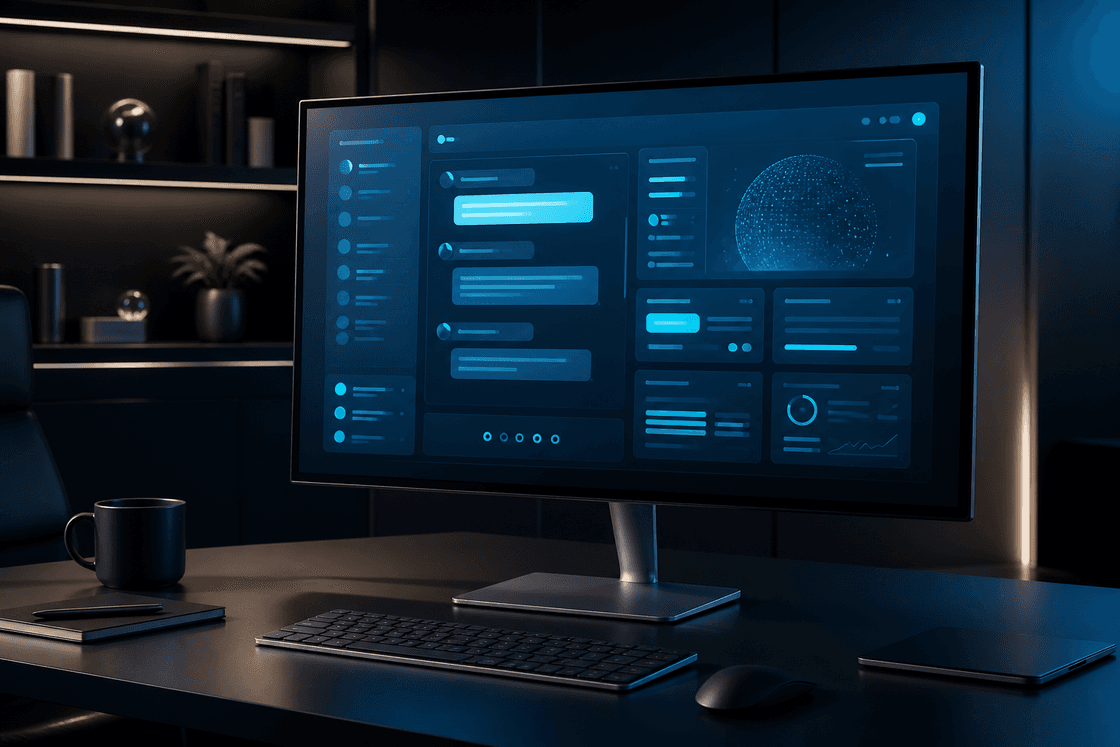
A hardware AI gateway appliance installed on your internal network
AI Security Gateway is an AI gateway delivered as a hardware appliance and installed on site, in your internal network. AI requests pass through the device for authentication, masking and usage and audit logging before they leave.
It is built for organizations that need a configuration that does not go through an external cloud gateway. Combined with an on-premises sLLM or local model, requests classified as personal or confidential are locked to local processing, while allowed requests go to external models under the same budget and security policy.

- A hardware appliance installed on your internal network: AI requests pass through the device before they leave.
- Requests through the device are authenticated, with usage and audit records kept.
- Before a request goes to an external model, national ID numbers are always masked, and PII masking and confidential-data blocking rules apply.
- Prompt injection is detected, and sensitivity levels are set per workspace.
- Combine it with an on-premises sLLM or local model to lock requests classified as personal or confidential to local processing.
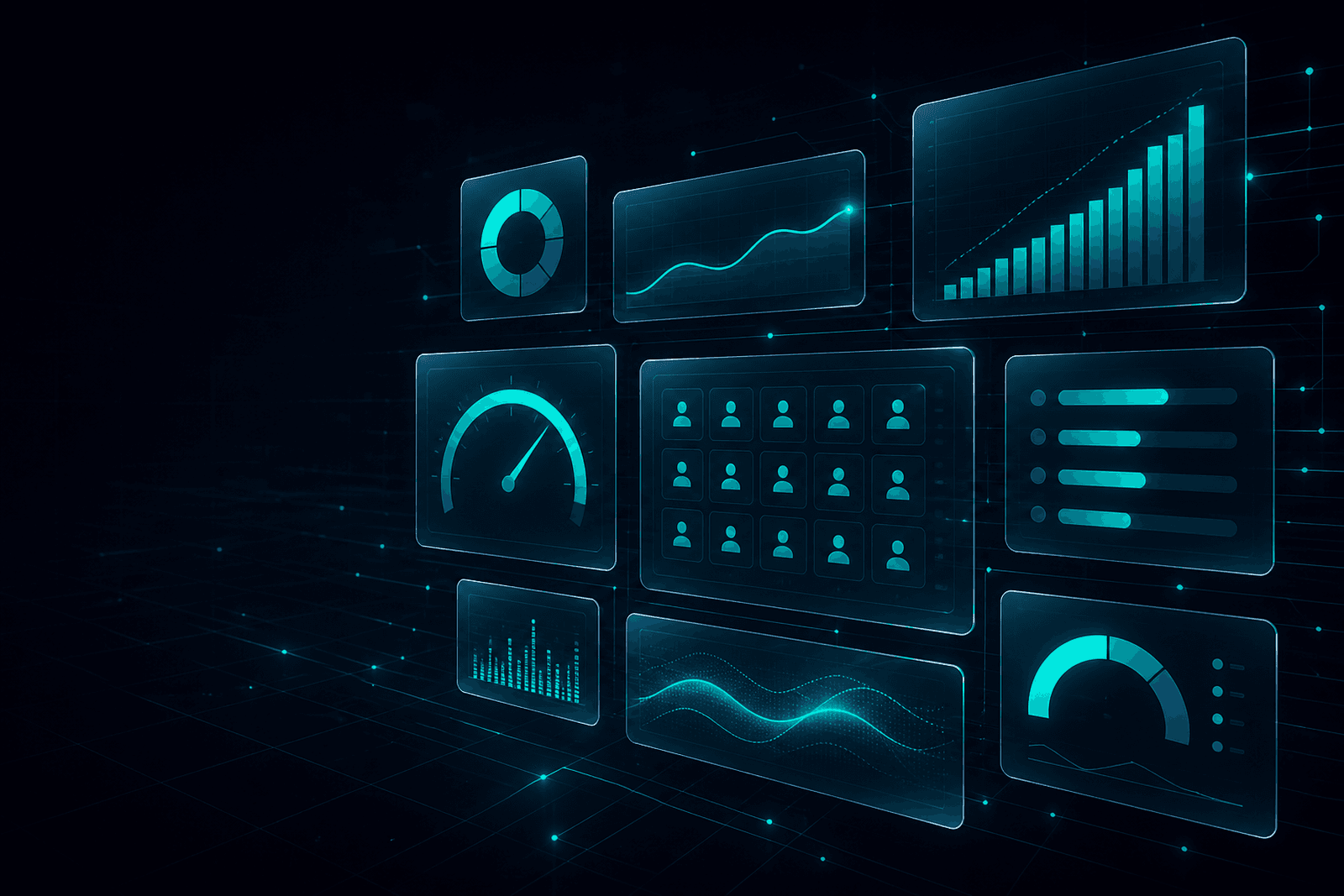
- View local and external usage, budgets and audit records in the same management console and reports.
Handled inside your network, before anything leaves.
Some organizations need a configuration that does not go through an external cloud gateway. AI Security Gateway puts the point of control in a device on your internal network rather than in the cloud.
Limits on cloud routing
Some organizations cannot easily use a setup that goes through an external cloud gateway.
No check before sending
Requests containing personal or confidential data can reach external models unchecked.
A single path for everything
Sending requests of different sensitivity down one path makes it hard to split work between local and external models.
Scattered records
Usage, budget and audit records for local and external AI end up in different places.
Installing a device is not the same as running on policy.
Installation is not the end. Your environment has to be checked first, and local and external AI have to run under the same policy. Device specifications, installation scope, schedule and cost are agreed and quoted separately after that check.
Environment check
We check data classification, network, users and use, then propose a configuration and quote.
What changes after adoption.
Authenticate, mask and record AI requests without going through an external cloud gateway.
Sensitive requests stay local and allowed requests go to external models, under one policy.
Usage, budget and audit records for local and external AI come together in one console.
From consultation to adoption in five steps.
Assessment and consultation
Review current AI usage and regulatory requirements to define the deployment scope.
Pilot and PoC
Validate benefits and risks through a small pilot using real work.
Build and integrate
Configure servers, gateways and routing, then connect your existing systems.
Team training
Train staff in everyday use and operations to support internal adoption.
Operate and embed
Support budget, security and audit operations until AI becomes part of daily work.





AI Security Gateway FAQ
Q1.What is AI Security Gateway?
Q2.How is it different from the Managed AI Gateway?
Q3.How are personal and confidential data in requests handled?
Q4.What does the process look like?
Q5.What are the device specifications and price?
Related pages
- Enterprise generative AI platform
Cloud, on-premises and security gateway configurations brought together for companies
- Managed AI Gateway
A managed service run by UAG.IM instead of a device on your network
- On-premises AI servers
Local model infrastructure on your network to combine with the security gateway
- AI usage and budget management (AIMS)
Manage seats, budgets, usage and audit logs on one screen
Start with consultation
Move your AI plans forward.
From accounts to security,
let us handle the operations.
A gateway deployment goes beyond buying software.
Stay in control with a transparent dashboard.
Our first consultation covers your team size, requirements, deployment scope and timeline.
Setup typically takes 1–3 business days.